As an Amazon Associate, I earn from qualifying purchases. As a #WalmartPartner I may earn a commission from purchases made through my links.
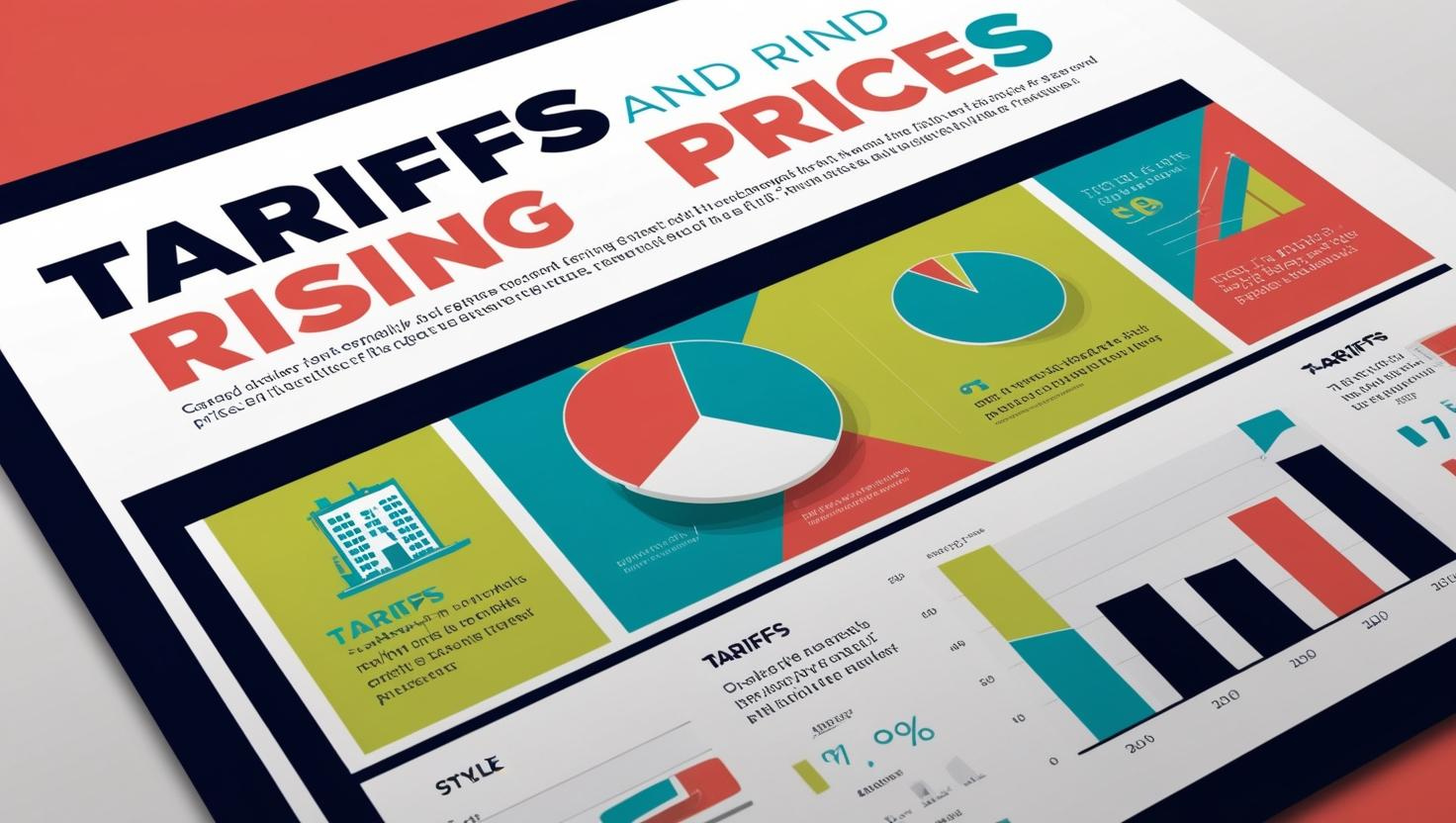
Hearing about new tariffs can make people worry about stockpiling. Tariffs are basically taxes on goods brought in from other countries. When tariffs go up, companies often pass that cost to shoppers. This makes items made overseas cost more. It’s hard to know exactly which goods or countries will be affected before it’s official. But knowing the types of products often hit by tariffs can help you decide what to buy, especially if you planned to buy something anyway.
Are you planning big purchases soon? Worried tariffs might raise prices? Here are some types of products often affected:
1. Electronics: Lots of electronics, like phones, laptops, TVs, and game systems, are made overseas, especially in Asia. Many parts inside them also come from other countries. New tariffs on these areas or parts could make prices jump. If you already planned to buy or upgrade electronics, think about buying sooner.
2. Major Appliances: This includes washers, dryers, fridges, dishwashers, microwaves, and mixers. Like electronics, many are made abroad or use imported parts (like steel or computer chips). Tariffs on these items or parts can raise prices fast. If your appliance is old, you might want to replace it sooner if you’re worried about tariffs.
3. Furniture and Home Goods: Things like furniture, décor, bedding, curtains, and kitchen items often come from other countries. Tariffs might hit these items, depending on what they’re made of and where they come from. Planning to redecorate or buy furniture? Check where items are made. This might affect when you decide to buy.
4. Clothing and Footwear: Most clothes and shoes are made globally. Tariffs on each item might seem small, but they add up. This matters if you buy clothes for a family or spend more on things like good shoes or coats. Always check the ‘Made in…’ label before you buy.
5. Building Materials and Home Improvement: Materials like steel, aluminum, wood, tiles, pipes, and lights often come from overseas. Tariffs have hit these items before. Planning a renovation? Buying these materials before tariffs go up could save money. Higher costs on materials can really affect your project budget.
Smart Ways to Buy Ahead:
Think carefully, don’t rush:
- Buy What You Already Planned For: Stick to items you were going to buy soon anyway. Don’t buy things you don’t need just because of tariffs – that wastes money.
- Choose Items That Last: Buying ahead works best for things that won’t expire or go bad quickly.
- Think About the Cost: Tariffs matter more on expensive things. A 10% tariff adds $100 to a $1,000 appliance, but only $2 to a $20 t-shirt.
- Check Where It’s Made: Look for the ‘Made in…’ label. Tariffs target specific countries. Items made here or in countries without new tariffs won’t cost more due to those tariffs.
- Look for Sales Now: A good sale today might save you more money than avoiding a possible tariff later.
- Don’t Panic Buy: Don’t buy huge amounts or clear shelves. The tariffs might not happen, or they might affect different products than expected.
Conclusion:
Keep up with news about trade rules – that’s the best plan. Thinking about tariffs when you shop can be smart. But, make decisions based on what you actually need and careful thought, not just guessing. Buying smart is always the best way to go.