
As an Amazon Associate, I earn from qualifying purchases.
I live in a state that (usually) sees a lot of snow, especially in the mountains. Knowing how to survive hypothermia is knowledge every family living in a cold climate should master. Let’s talk about how to diagnose, treat, and prevent hypothermia.
What Is Hypothermia?
Hypothermia occurs when your body loses heat faster than it can produce heat, causing a dangerously low body temperature. Normal body temperature is approximately 98.6 F (37 C) Hypothermia occurs as your body temperature falls below 95 F (35 C), preventing your body from functionally normally.
Hypothermia can be caused by exposure to cold weather or immersion in cold water. You survive hypothermia by warming the body back up to normal temperatures.
Symptoms of Hypothermia
The first symptom of hypothermia is often shivering, as your body attempts to warm itself.
Other signs include:
* Mumbling ( The ‘umbles’ include mumbling, stumbling, grumbling or irritation)
* Slow and shallow breathing
* A weak pulse
* Lack of coordination
*The desire to sleep
*Confusion
*Loss of consciousness
Because hypothermia often comes on so slowly, a person often has no idea of their condition. The confused thinking that hypothermia causes hinders a person’s ability to actually realize they are in danger.
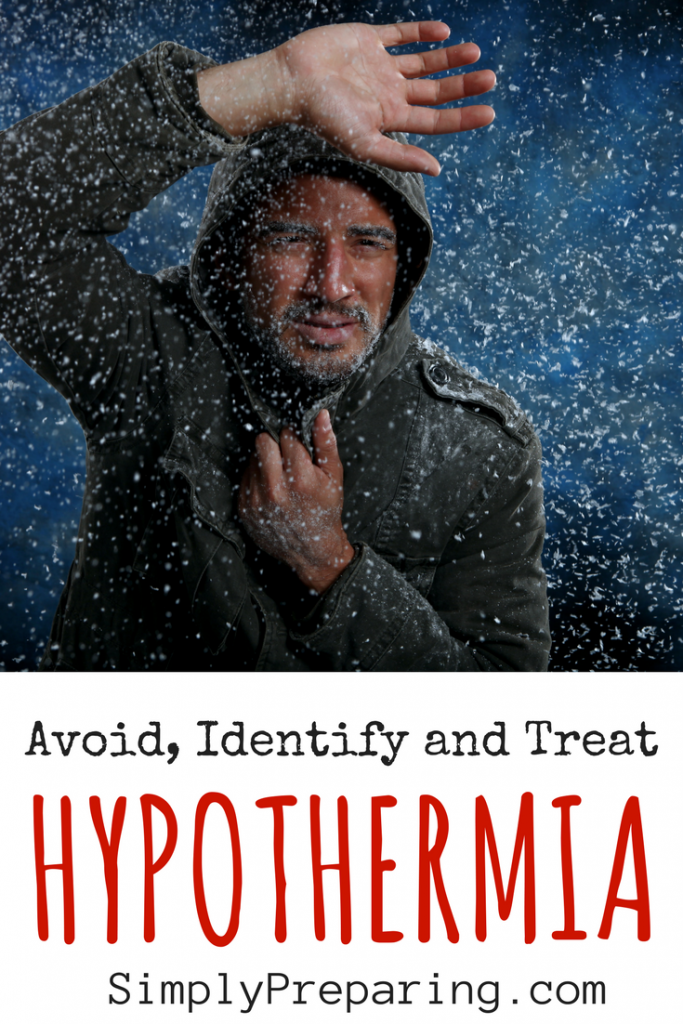
How To Survive Hypothermia
The first step in surviving hypothermia begins with preparedness before the event. You survive hypothermia by having a plan in place, just in case. This includes making sure you have the right gear with you when hiking, skiing, camping or traveling in winter weather.
This post contains affiliate links.
Remove yourself from the cold. If possible get yourself out of any wet clothes.
Curl into the HELP position inside of a sleeping bag, blankets or an emergency bevy bag to reduce heat loss. (I love *this post contains affiliate links this brand and have them in all of our bug out bags. ) Hold your knees to your chest to help warm the trunk of your body. If you are with others, huddle together.
Chemical heat packs are a must to help prevent and address hypothermia. Place a heat pack on major arteries to warm your blood, such as by the neck, under armpits and in the groin. Slowly warming the body’s core is most important, the extremities can wait.
Prevention of Hypothermia
Wear the right clothing, including clothing that will prevent body heat loss from your head, face and neck and hands.
Wear layers of loose fitting layers of lightweight clothing. You want your outer layer to be tightly woven, and water resistant.
Stay as dry as possible. Get out of wet clothing as soon as possible. Pay special attention to keeping your feet dry, by having an extra pair of *this post contains affiliate links wool socks in your pack.
Having a rechargeable hand warmer in your pack is also a good idea.
Be careful not to overexert yourself, causing yourself to sweat a lot. Wet clothing and cold sweat will cause you to lose body heat faster.
Always make sure someone knows where you are going and when you are expected to be back. This way emergency responders will know where to look if there is trouble.
Hypothermia Survival At Home
You may be surprised to discover that the risk of hypothermia during winter power outages is high, especially if you are not prepared. If you have access to health care don’t take any risks and get to a hospital immediately. If your only choice is to stay at home, here are some ideas to help mitigate the risks.
Store wool blankets or cold weather sleeping bags.
Have a way to heat water for soup or warm drinks to keep yourself both hydrated and warm.
Store chemical packs.
Consider investing in a quality indoor radiant heater.
Pro Tip: Learn more ways to protect your family in severe winter weather.
Preparation Is Key To Hypothermia Survival
I can remember being worried each time winter grew near. How would I protect my family from severe winter weather if we lost power or had to leave due to an emergency in a snow storm. Taking the time to make a plan, and actually supply that plan in the form of emergency kits, is one of the best things I’ve ever done. I hope you’ll do the same.
