• Skip to main content
  • Skip to secondary menu
  • Skip to primary sidebar
emergency preparedness

Simply Preparing

Survival blog for disaster and emergency preparedness.

  • Home
  • About Simply Preparing
  • Beginning Prepping
  • Simple & Inexpensive Prepper Projects

Dangers of Standing Flood Water

September 23, 2013 By Prepared Mom

As an Amazon Associate, I earn from qualifying purchases.

Floods are a force of nature that bring many dangers, but after the initial flood, one danger that is often over looked is all of that standing water. Standing water poses many risks to our health and should be avoided. I cringe thinking of people letting kids play in it of all things.
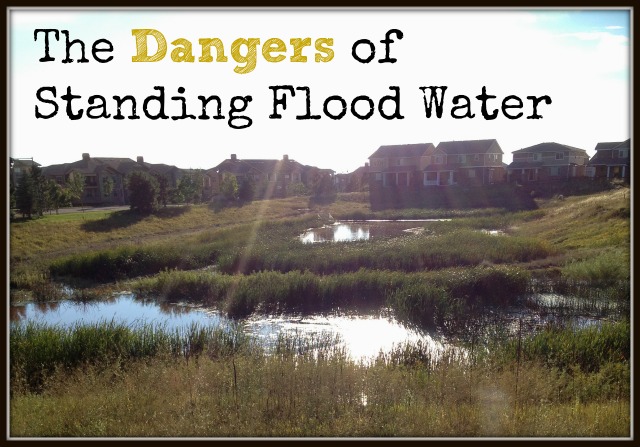
dangers of standing flood water

Why Is Standing Water Dangerous?

Infectious Disease and Diarrhea to start.

Eating or drinking standing flood water can cause diarrhea. Flood water that collects after a large storm can cause many infectious diseases like E-Coli, TB, Encephalitis and West Nile Virus. To prevent this, first, keep your children and pets out of the water! But if they come in contact with it, practice good hygiene by washing hands or taking a shower and disinfecting objects that may have come in contact with it with a bleach solution: 1 teaspoon of bleach to 1 gallon of clean water. It’s very important to see a doctor if someone in your family becomes sick after exposure to standing flood water. Water borne illnesses can spread quickly in a family.

If you have a dog, it would be a good idea to make sure they are current on their immunizations and they have had a leptospirosis vaccine and booster. Dogs love rainwater puddles.

It’s also very important to limit your exposure to bugs (especially mosquitoes) that may be drawn to the standing water:

  • avoid going out during times when they are most active: dawn, dusk and early nighttime hours.
  • wear long sleeves and long pants when practical
  • cover infant stroller with mosquito netting
  • use a commercial mosquito repellent

The most effective solution though may be to treat the area with products you can buy that interrupt the larvae cycle: mosquito dunks and quick kill granules. The granules would work faster on standing flood water.

If you most work around standing flood water during the clean up process make sure to cover any open scrapes or wounds you may have with waterproof bandaging. Seek immediate medical attention if a wound exposed to standing water shows any signs of infection like redness, warmth or swelling. If your home has been flooded you will need to follow many more precautions. Please refer to the CDC’s Guide to Flood Water Cleanup After an Emergency for more ideas.

A crude oil storage tank lies on its side in floodwater after the recent floods in Colorado. John Wark/Associated Press

Other Dangers of Standing Water From Floods

    • Chemical hazards. Chemicals spill or leak into flood waters frequently.
    • Electrical hazards. Downed power lines can be hiding under all that water.
    • Drowning. It is difficult to tell how deep standing flood waters really are.
    • Displaced wildlife. Think snakes and other creepy crawlies.
    • Wounds. You don’t know what may be floating in the water. Pieces of glass and metal are likely.
    • Sewage. 


Standing flood water should never be a source of potable water. In an extreme emergency you could likely filter it and disinfect it for drinking using various methods if you were reasonably sure there were no electrical or chemical issues but the focus of today’s post is to keep you safe when you have standing flood water near your homes now.

Filed Under: Uncategorized Tagged With: flood, water

Primary Sidebar

Why Worry About Preparing?

Preparedness makes more sense now than ever.

As we move through 2026, it’s clear that the world is shifting in ways many of us can feel — even if we can’t always predict what’s next. In recent years we’ve seen global supply chain disruptions, international conflicts affecting energy and food markets, extreme weather events across multiple continents, cyberattacks on critical infrastructure, economic uncertainty, inflation, and rising costs for everyday essentials.

From global pandemics to geopolitical tensions and natural disasters happening around the world, the message is the same: stability isn’t guaranteed.

Whether or not you believe we’re headed toward a major global reset, there are plenty of everyday realities that make preparedness practical — not extreme. Job loss. Health emergencies. Severe storms. Power outages. Supply shortages. Economic downturns.

Preparedness isn’t about panic.

It’s about positioning your family to respond calmly when life throws the unexpected your way.

We’ve found that the more intentional emergency planning my family does, the less I worry about the big “what ifs.” When you have food storage in place, backup plans for power and water, and practical skills to lean on, uncertainty feels manageable.

That peace of mind is powerful.

Here at Simply Preparing, we share the survival tips, preparedness strategies, and practical systems we’ve learned along the way — from pantry building and food storage to emergency planning and self-reliance skills. Our goal is not to create fear, but to create confidence.

And we hope you’ll join the conversation.

Preparedness is not a solo journey. We all bring different experiences, lessons, and perspectives to the table. Share what you’ve learned. Ask questions. Leave comments. We grow stronger and smarter together.

Now, let’s get started prepping.

Pick a post and begin reading. At the end of every article, the blog will randomly suggest three additional preparedness posts to explore. Set aside just 10 minutes a day to build your knowledge base. Small, consistent steps add up faster than you think.

Because when it comes to preparedness, we’re never truly “done” learning — and we’re never wrong for being ready.

Let’s prepare wisely.

Affiliate Disclosure

We are a participant in the Amazon Services LLC Associates Program, which means we may earn a small commission if you make a purchase—at no additional cost to you. We only recommend products we personally trust and believe are worth having as part of a simple, practical preparedness plan.

Privacy Policy and Cookies

This site uses cookies. Please read our Privacy Policy so you fully understand how we use them.

Copyright © 2025 Indigo Ink, LLC: Simply Preparing Disaster and Emergency Preparedness · WordPress · Log in