As an Amazon Associate, I earn from qualifying purchases.
While talking with a group of friends, each of whom expressing a wish to buy land to homestead on. I couldn’t figure out why my friends felt the need to wait until they had a bigger plot of land to begin their journey to self sufficiency. Why not start homesteading in your own backyard? Right now!
Suburban Homesteading. It really is a ‘thing’!
Let’s face it. Not all of us are going to be able to move from suburbia into the wilds of Nowhere, USA. Postponing self sufficiency until all conditions are deemed perfect, could result in being unprepared in an emergency situation.
I’m of the mindset where you do the best you can with what you have now, while following a well thought out plan of where you want to be. My in between is suburban homesteading.

What Does Suburban Homesteading Look Like?
We live on your average 1/3 of an acre in your average suburban neighborhood. There is a stream that runs through my back yard from April to October that provides irrigation to the farmers living further out. It used to run heavy and deep, but we’re in a dry cycle right now and it’s been much more shallow the last several years.
My neighborhood consists of about 60 homes and we are surrounded on one side by a private golf course and on another by a fairly busy road. Luckily we are tucked deeply enough into our neighborhood that we don’t see or hear the traffic.
Most of my neighbors garden for summer salad and October pumpkin kind of reasons. I often think of several neighbors getting together to plan out who will grow what, and then sharing. This makes even small space gardening more profitable.

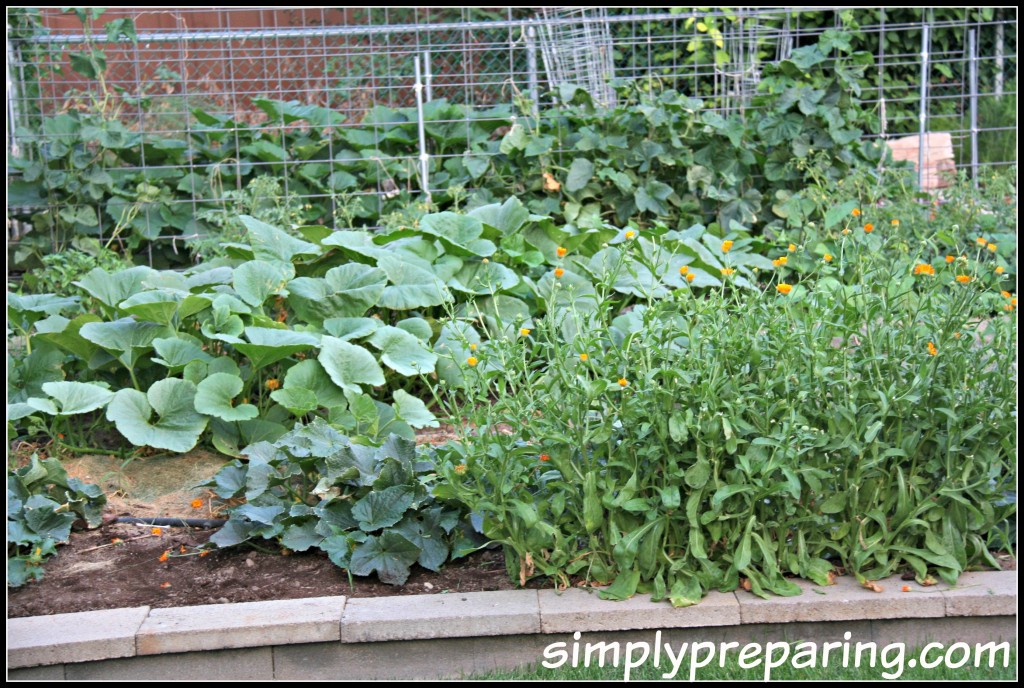
My Spring garden includes, kale, mustard greens, swiss chard, broccoli, beets and peas. The Summer garden boasts tomatoes, cucumbers, summer squash, beans, pumpkins, winter squash and peppers.
I was thrilled to recently plant both an apple an a cherry tree. Neighbors have several of both so I know we’ll be fine pollination wise.
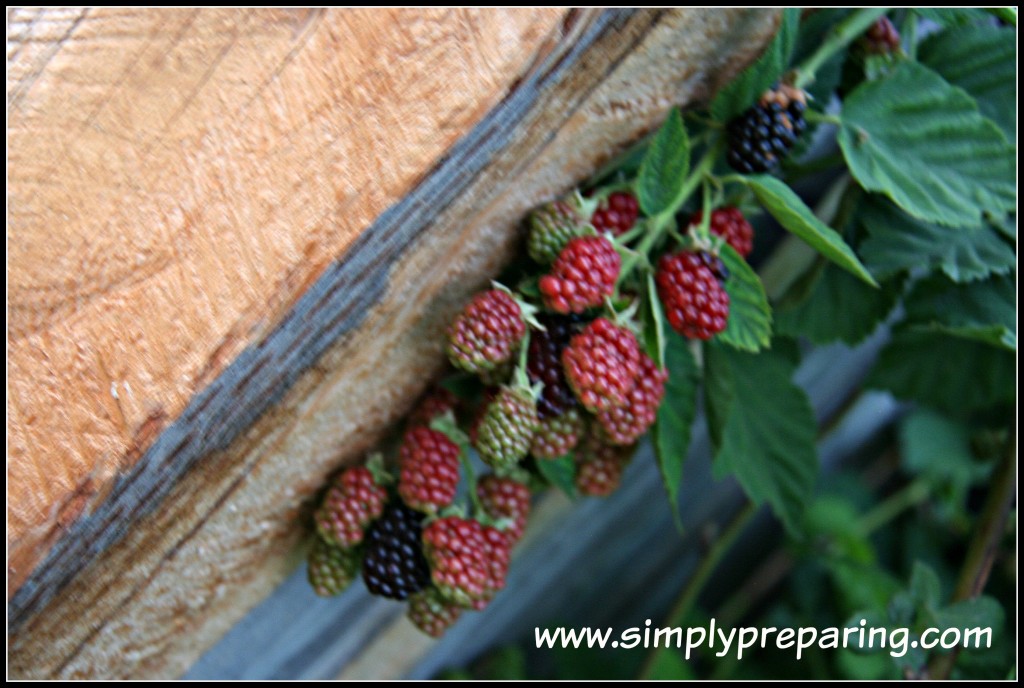
You can find raspberry bushes in diverse places and a large section for blackberries in our back yard. I love having a freezer full of berries to last the year. Half a whiskey barrel is home to a thriving black currant bush.

Along one side of my lot I have my herb garden. It’s also home to a few cabbage plants, lettuce, arugula and dikon radishes.
Herb wise I grow Sage, Thyme, Oregano, Parsley, Basil, Chives, Rosemary, Peppermint, Spearmint, Anise, Heal All, Horseradish, Horehound, Comfrey, Vervain, and Chamomile.
This is my first year to really grow medicinal herbs, and I’m excited for how things will turn out. Rosemary Gladstar’s books have been inspirational as I grow my family’s self sufficiency and as we grow our homestead.
I’m thinking of an Elderberry Bush too, as I make our own Elderberry Syrup to help ward off colds and flu.

There is a big stack of homesteading books just waiting in my Amazon cart that I can’t wait to dive into. Dreaming is a big part of the fun of having a suburban homestead. Using the experiences of others, I’ll create a suburban homestead that reflects the unique needs a capabilities of my family.
Can I grow all the food my family eats on my Suburban Homestead?
Growing everything my family would need here on our suburban homestead simply isn’t possible, at least not yet. But like all homesteaders I am pretty creative and resourceful.
To help us become more self reliant as we grow our backyard homestead, we implemented a few new ideas.
*Trading bumper crops for things I can’t grow in my back yard.
*Paying close attention to the FB yard sale posts and watch for those inviting people to come and glean from their trees and gardens.
*Planting early Spring seeds and plants.
*Growing a Fall garden for fresh greens through the colder months.
*Storing long term food items such as beans, rice, sugar, and flour. Daisy Luther’s The Pantry Primer is a great source of information on getting a year’s supply as cheaply as possible.
*Purchasing long term freeze dried food at the best possible prices using the plans offered by Thrive’s Montly Q Program. Having freeze dried food on my shelf in case of an emergency offers great peace in these turbulent times.
It’s a win-win. More time in the garden. More fresh, organic food and I don’t have to worry if there is a recall with it’s name on it down the road.
Self sufficiency. Homesteading. Food security. Part of the fun is in the journey that gets you to where you are going.
What goals have you set to become self sufficient? Is suburban homesteading something you might try?

My parents aren’t preppers but they love growing their own food. They are part of the suburban homesteading crowd I guess because they grow vegetables in the summer that gets frozen in the winter. And, I have to admit their vegetables taste better than the ones I get at the supermarket.